Phimosis is a condition seen in uncircumcised men where the foreskin becomes too tight to retract over the head of the penis. While many consider it a minor issue, untreated phimosis can lead to serious health complications, including an increased risk of penile cancer.
Penile cancer is rare but is known to cause significant physical and emotional challenges. It can affect a man’s confidence, sexual health, urinary function, and overall quality of life. That is why seeking early medical care from an expert like Dr. Alpesh Patel, one of the best general surgeons in Ahmedabad, is extremely important for prevention and timely treatment.
At Tirtham Surgical Hospital, advanced diagnosis and treatment options are available to manage phimosis effectively and protect long-term penile health.
Understanding Phimosis and Its Connection to Penile Cancer
Phimosis itself is not cancer, but it is considered a major risk factor for penile cancer. When the foreskin is too tight and cannot retract:
- Proper hygiene becomes difficult
- Irritation and inflammation occur repeatedly
- Bacteria, smegma, and infections accumulate underneath the skin
Over time, these persistent issues create a high-risk environment for cancerous cell development.
Medical awareness is crucial because penile cancer is largely preventable when its risk factors—like phimosis—are treated early.

How Untreated Phimosis Leads to Precancerous Conditions?
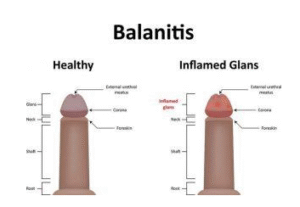
Recurrent Balanitis (Inflammation & Infection)
Men with phimosis are highly prone to balanitis, an infection of the glans. Repeated infections:
- weaken the immune defenses
- damage penile tissue
- trigger chronic inflammation
Inflammation is known to be a key factor in cancer development in many organs, including the penis.
A published study reported that 45% of men with penile cancer had a history of balanitis, compared to only 8% in men without cancer. This clearly shows how untreated foreskin infections contribute to malignancy risk.
Smegma Build-up and Skin Irritation
When cleaning becomes difficult, secretions accumulate under the foreskin and form smegma—a thick, white, foul-smelling substance. Smegma contains:
- Bacteria
- Dead skin cells
- Mucus and other microorganisms
These trapped irritants trigger constant inflammation, which can damage penile tissue over time and become a potential carcinogenic factor.
Men with phimosis are much more likely to develop smegma because the foreskin does not retract enough for proper cleaning.

HPV Infection — A Major Cancer Trigger
Human Papillomavirus (HPV) is a common sexually transmitted infection affecting both men and women. In men, high-risk HPV types have been strongly linked to:
- Penile precancerous conditions
- Penile squamous cell carcinoma
Studies show men with phimosis demonstrate:
✔ Higher rates of HPV infection
✔ More cases of high-risk HPV strains
✔ Earlier development of penile lesions
In fact, HPV is detected in nearly 50% of penile cancer cases worldwide.
Increased HIV Susceptibility
A tight foreskin is more likely to tear during intercourse, creating tiny openings that allow viruses—like HIV—to enter the body. HIV weakens the immune system, making the body less capable of fighting precancerous cell changes.
Research indicates:
- The inner foreskin is a primary entry point for HIV
- The micro-environment under a tight foreskin helps viruses survive longer
HIV-positive men have a significantly higher chance of developing penile cancer.
Why Circumcision Reduces Penile Cancer Risk?
Men who undergo circumcision eliminate the possibility of phimosis permanently. Benefits include:
- No smegma accumulation
- Lower risk of infection
- Lower risk of HPV and HIV transmission
- Better hygiene and maintenance
Studies show that 45–85% of men diagnosed with penile cancer had a history of phimosis. Eliminating phimosis through circumcision, especially at an early age, helps protect penile health in the long run.
At Tirtham Surgical Hospital, circumcision procedures are performed with advanced surgical techniques to ensure:
✔ Minimal discomfort
✔ Faster recovery
✔ Excellent cosmetic outcome
✔ Permanent solution for phimosis
Recognizing Symptoms of Penile Cancer Early
Penile cancer usually affects men between 50–70 years of age. Warning signs include:
- Persistent redness, irritation, or sores
- A lump or thickened skin on the penis
- Foul-smelling discharge
- Unexplained bleeding
- A noticeable change in foreskin retraction
Unfortunately, embarrassment and social stigma cause many men to delay seeking medical help. Awareness and early evaluation by a skilled surgeon are critical.
Phimosis Treatment – Act Early, Live Healthy
Phimosis can be caused by infections, inflammation, or traumatic injury. Regardless of the cause, early treatment is essential to prevent:
- Chronic infections
- Painful sexual activity
- Difficulty in urinating
- Risk of cancer
The most widely recommended treatment is circumcision. For adults, modern procedures ensure that the process is safe, quick, and highly effective.
For expert diagnosis and treatment, Dr. Alpesh Patel provides patient-friendly care with personalized treatment decisions.
Trust the Best – Dr. Alpesh Patel & Tirtham Surgical Hospital
Why choose us?
Best General Surgeon in Ahmedabad with vast experience in foreskin disorders
State-of-the-art surgical facilities
High safety standards and hygienic operation theatre
Comprehensive urological and general surgical care
Patient-centric approach ensuring comfort and privacy
At Tirtham Surgical Hospital, we believe in awareness, prevention, and timely surgical intervention to ensure men lead a confident and disease-free life.
Conclusion
Untreated phimosis is not just a hygiene issue—it can elevate the risk of penile cancer significantly. Taking proactive steps at the right time, especially undergoing circumcision when recommended, can prevent severe complications.
If you are experiencing tight foreskin, repeated infections, or discomfort, do not delay. Early evaluation by Dr. Alpesh Patel, the leading general surgeon in Ahmedabad, can help preserve your health and confidence.
Book your consultation at Tirtham Surgical Hospital and protect your future health today!