Tirtham Surgical Hospital, Science City Road, Sola, Ahmedabad, is a general and laparoscopic surgical hospital. Surgery for some cancers is listed among its surgeries, and the related pages explain each one. Chemotherapy, radiotherapy and other non-surgical cancer treatments are given by medical and radiation oncologists, and patients are guided to them as part of the treatment plan.
This page explains what cancer surgery involves, how it fits with other treatments, how cancer is diagnosed and staged, the risks, and how to choose a cancer surgeon or hospital.
What Is Cancer Surgery?
Cancer surgery removes a tumour, usually with a margin of healthy tissue around it, and often with nearby lymph nodes so that the stage of the cancer can be confirmed. The removed tissue is examined by a pathologist, and the result helps decide whether further treatment is needed.
| Role of surgery | Purpose |
| Diagnostic | Biopsy or removal of tissue to confirm the diagnosis |
| Staging | Assessing how far the cancer has spread, for example by removing lymph nodes |
| Curative | Removing a tumour that can be completely removed |
| After treatment to shrink the tumour (neoadjuvant) | Surgery after chemotherapy or radiotherapy |
| Followed by further treatment (adjuvant) | Chemotherapy or radiotherapy after surgery to lower the chance of return |
| Debulking | Removing as much tumour as is safely possible, in selected cancers |
| Palliative | Relieving symptoms such as bowel blockage or bleeding, to improve quality of life |
Cancers With Detailed Pages
The pages below explain the surgical treatment of each cancer, including what is listed at Tirtham Surgical Hospital and what is arranged with other specialists.
| Cancer | Surgical treatment | Detailed page |
| Colon cancer | Laparoscopic hemicolectomy | Colon cancer surgery |
| Rectal cancer | Anterior resection or APR | Rectal cancer surgery |
| Prostate cancer | Laparoscopic radical prostatectomy | Laparoscopic radical prostatectomy |
| Thyroid cancer | Thyroidectomy | Thyroid treatment and surgery |
| Breast cancer | Breast surgery within a breast cancer treatment plan | Breast lump treatment |
| Skin and soft tissue tumours | Excision with a margin of healthy tissue | Lipoma, cyst and ganglion |
For cancer surgeries in Ahmedabad, the operation chosen depends on the type, site and stage of the cancer, as confirmed by biopsy and scans.
Cancer Care Is a Team Effort
| Role | Who usually provides it |
| Surgery | A surgical oncologist, or a general or specialist surgeon trained in the relevant cancer operation |
| Chemotherapy, targeted therapy, immunotherapy, hormone therapy | A medical oncologist |
| Radiotherapy | A radiation oncologist at a centre with radiotherapy equipment |
| Diagnosis and staging | Pathologists and radiologists |
| Bone marrow or stem cell transplant | Specialised transplant centres |
| Supportive and palliative care | A palliative care team, nutritionist, physiotherapist and counsellor |
Treatment decisions are often made at a multidisciplinary tumour board meeting, where these specialists discuss each patient's case together.
How Cancer Is Diagnosed and Staged
- Medical history and examination
- Blood tests: including tumour markers for some cancers
- Imaging: ultrasound, CT, MRI or PET-CT, depending on the cancer
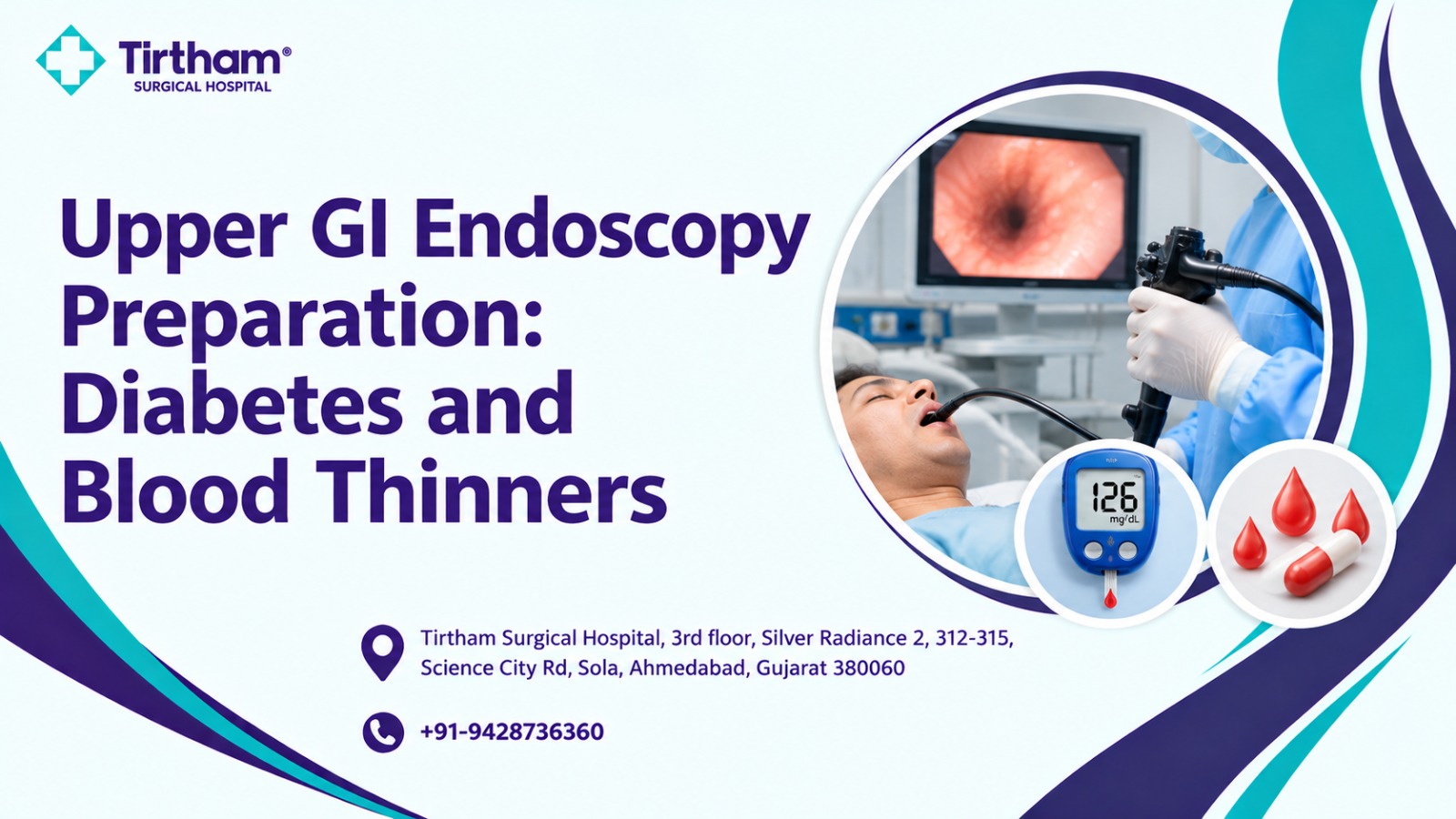
- Endoscopy: for cancers of the digestive tract, such as colonoscopy or upper GI endoscopy
- Biopsy: a tissue sample to confirm the type of cancer
- Staging: the size of the tumour and its spread to lymph nodes or other organs
- Treatment plan: made with the specialist team, and explained to the patient and family
Related pages: Upper GI endoscopy · Lower GI endoscopy
Early Detection
Cancers found at an early stage are usually easier to treat. Screening tests, such as colonoscopy or stool tests for bowel cancer, mammography for breast cancer and Pap smear tests for cervical cancer, are advised for certain age groups. Your doctor can advise which screening tests apply to you.
Before and After Cancer Surgery
- Before: staging tests, fitness for surgery, nutrition and breathing exercises, stopping smoking, a check of all medicines, and written informed consent
- After: a hospital stay that depends on the operation, early walking, pain control, wound care, and the histopathology result
- Further treatment: chemotherapy, radiotherapy or other treatment, if advised by the oncology team
- Follow-up: regular visits, blood tests and scans for several years, as advised
Risks of Cancer Surgery
The risks depend on the cancer, the operation and the patient's health. The specific risks are explained on each detailed page and by the surgeon before consent. Common risks include:
- Bleeding, which may need transfusion
- Infection of the wound or inside the body
- Leak from a join after bowel surgery
- Blood clots in the legs or lungs
- Effects on the function of nearby organs, depending on the operation
- Cancer remaining or returning, needing further treatment
- Anaesthesia-related risks
Cancer Surgery Cost in Ahmedabad
The cost depends on the type and stage of the cancer, the operation, investigations, the length of hospital stay, room category, intensive care, histopathology, and any chemotherapy or radiotherapy, which is planned separately by the oncology team. A written estimate for the surgical treatment can be requested from the hospital.
Insurance
- Mediclaim and cashless facility is available, subject to the patient's policy terms and insurer approval
- Assistance is provided with documents required for reimbursement claims
Questions to Ask Before Cancer Surgery
Before agreeing to cancer surgery, it is reasonable to ask the surgeon and the oncology team a few clear questions. The answers help you understand where the operation fits in the overall treatment plan and give informed consent.
- What type of cancer is it, and has a biopsy confirmed it?
- What is the stage, and which scans were used to decide it?
- Is surgery the first treatment, or is chemotherapy or radiotherapy advised before or after it?
- Has my case been discussed by a team that includes medical and radiation oncologists?
- What will be removed, including lymph nodes, and can the operation be done laparoscopically?
- How will the operation affect eating, bowel, bladder or other functions, and for how long?
- When will the histopathology report be available, and who will explain it to me?
- What follow-up visits, blood tests and scans will be needed after treatment?
Choosing a Hospital for Cancer Surgery
A hospital for cancer surgery should be able to confirm the diagnosis, perform the operation safely, examine the removed tissue and link the patient to further cancer treatment without delay. Surgery is only one step, so coordination with oncologists matters as much as the operation itself. These facilities are worth asking about:
| Facility | Why it matters |
| Imaging (CT, MRI and access to PET-CT) | Shows the size and spread of the cancer before surgery is planned |
| Biopsy and histopathology services | Confirm the type of cancer and whether the margins and lymph nodes are clear |
| Operation theatre for laparoscopic and open surgery | Allows the planned operation, and a change of approach when needed |
| Anaesthesia, intensive care and blood transfusion services | Needed for longer operations and for patients with other health conditions |
| Coordination with medical and radiation oncologists | Chemotherapy or radiotherapy is often needed before or after surgery |
| Tumour board discussion | Brings the specialties together to agree on one treatment plan |
| Nutrition, physiotherapy and follow-up support | Help recovery and allow early detection of any return of the cancer |
Treating Surgeon
At Tirtham Surgical Hospital, general and laparoscopic surgery is performed by the surgeon listed below. Each detailed page explains who performs that cancer operation:
| Detail | Information |
| Name | Dr. Alpesh Patel |
| Qualification | MBBS, MS (Civil Hospital, Surat) |
| Specialty | General & Laparoscopic Surgery |
| Designation | Founder, Tirtham Surgical Hospital |
| Registration status | Registered Medical Practitioner |
| Registration number | Gujarat Medical Council Reg. No. G14657 |
| OPD availability | On appointment, Mon–Sat |
| Emergency surgical services | 24-hour emergency operating team at Tirtham Surgical Hospital |
Facilities at Tirtham Surgical Hospital
- 24-hour emergency operating team
- Laparoscopic and endoscopic setup
- Mediclaim and cashless facility, subject to policy terms
- 6 themed recovery rooms
- Large parking facility
Frequently asked questions
When should I see a cancer doctor in Ahmedabad?+
Who performs cancer surgery?+
Is cancer treated by one doctor?+
Are chemotherapy and radiotherapy given at Tirtham Surgical Hospital?+
How is surgery used in cancer treatment?+
Does early detection make a difference?+
What facilities should a cancer surgery hospital in Ahmedabad have?+
What decides the cost of cancer surgery?+
Is cancer surgery covered by health insurance?+
Contact and Location
Tirtham Surgical Hospital
3rd Floor, Silver Radiance 2, 312-315, Science City Road, Sola, Ahmedabad, Gujarat 380060
- Call:
- +91-9428736360
- WhatsApp:
- +91-9428736360
- Landline:
- 079-27436360 | 079-40036360
- Tirtham SurgiMitra (second-opinion line):
- +91-9974416665
- Email:
- info@tirthamhospital.com
- Get Directions:
- Science City Road, Sola, Ahmedabad
- Emergency:
- 24-hour emergency operating team
- OPD timings:
- On appointment, Mon–Sat
Next step
Plan your procedure
Share your reports on WhatsApp for a guided opinion, or visit us on Science City Road for an in-person examination.