
Gallbladder stones are a common digestive condition that affects thousands of people every year. Many people live with gallstones for years without symptoms. Others experience sudden abdominal pain, nausea, bloating, or repeated digestive discomfort that interferes with daily life.When symptoms become frequent or severe, timely medical attention is essential. Delaying treatment can increase the risk of infection, inflammation, or blockage of the bile ducts.
If you are searching for the best gallbladder stone surgery specialist in Ahmedabad, choosing an experienced surgeon and a hospital equipped with advanced laparoscopic technology can make a significant difference in your treatment experience and recovery.At Tirtham Hospital, Dr. Alpesh Patel provides comprehensive evaluation and minimally invasive surgical care for patients with gallbladder stones. The focus is on accurate diagnosis, safe treatment, and a smooth recovery while helping patients return to their normal routine as quickly as possible.
Understanding Gallbladder Stones: Causes, Symptoms, and When to Seek Treatment
The gallbladder is a small organ located beneath the liver. Its role is to store bile, a digestive fluid that helps break down fats. Gallstones develop when substances in bile, such as cholesterol or bilirubin, become concentrated and form hard deposits.Some gallstones remain small and symptom-free. Others grow larger or move into the bile ducts, causing pain and complications.Several factors increase the likelihood of developing gallstones.These include obesity, rapid weight loss, diabetes, pregnancy, family history, increasing age, and diets high in fat and low in fibre.
Many patients first notice discomfort after eating oily or heavy meals.Pain often appears in the upper right abdomen and may spread toward the back or right shoulder.Episodes can last from a few minutes to several hours.Ignoring these symptoms may allow the condition to worsen.Gallstones can lead to inflammation of the gallbladder, infection, pancreatitis, or blockage of the bile duct.Prompt consultation with a qualified gallbladder specialist allows early diagnosis and helps prevent these complications.Modern imaging techniques and clinical assessment make it possible to identify gallstones accurately and recommend the most appropriate treatment plan based on the patient’s symptoms, overall health, and lifestyle.
Early treatment often results in better outcomes, shorter recovery periods, and reduced chances of emergency surgery.
Common Signs That Should Not Be Ignored
Gallbladder stones do not always produce symptoms.
However, when a stone blocks the normal flow of bile, patients may experience recurring pain and digestive problems that require medical attention.
Common symptoms include:
- Sudden pain in the upper right abdomen or centre of the stomach.
- Pain after eating fatty meals.
- Nausea or vomiting.
- Indigestion and bloating.
- Fever or chills if infection develops.
- Yellowing of the eyes or skin when the bile duct becomes blocked.
Persistent or recurring pain should never be ignored.Many people mistake these symptoms for acidity or gastritis and continue self-medication.A proper medical evaluation helps determine whether gallstones are the actual cause and whether surgery is the safest treatment option.Early diagnosis also reduces the risk of complications that may require emergency surgical intervention.
How Gallstones Are Diagnosed
Diagnosing gallbladder stones begins with a detailed discussion of symptoms, medical history, and physical examination.The most commonly used investigation is an abdominal ultrasound.It is safe, painless, and highly accurate in detecting gallstones.Depending on the patient’s condition, additional investigations may include blood tests to assess liver function or detect infection.In certain cases, CT scans or MRCP imaging may be recommended to evaluate the bile ducts more thoroughly.
Once the diagnosis is confirmed, the surgeon evaluates the size and location of the stones, the severity of symptoms, and the patient’s overall health before recommending treatment.Not every patient requires immediate surgery.Individuals without symptoms may simply need observation and periodic follow-up.However, patients experiencing repeated pain, infection, inflammation, or blocked bile ducts generally benefit from laparoscopic gallbladder removal, which is considered the gold standard treatment for symptomatic gallstones.
Why Laparoscopic Gallbladder Surgery Is the Preferred Treatment
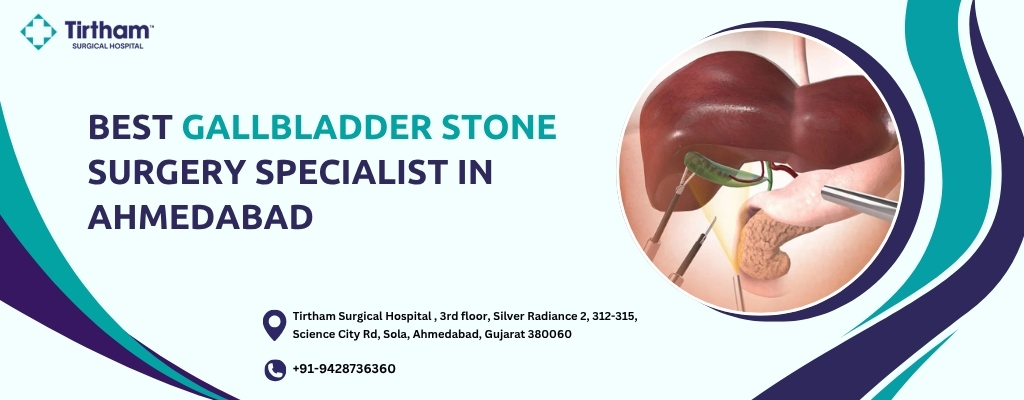
For patients with symptomatic gallstones, laparoscopic cholecystectomy is widely regarded as the standard treatment. Instead of making a large incision, the surgeon removes the gallbladder through a few small cuts using a laparoscope, a thin tube with a camera and specialized instruments.This minimally invasive approach offers several advantages over traditional open surgery. Smaller incisions typically result in less pain, reduced blood loss, a lower risk of infection, and minimal scarring. Most patients also experience a faster recovery and can return to their normal routine sooner.
The procedure is performed under general anaesthesia. The surgeon carefully removes the gallbladder while protecting the surrounding organs and bile ducts. Since the gallbladder stores bile rather than producing it, the liver continues to release bile directly into the digestive system after surgery. Most patients can digest food normally after recovery.Surgery is usually recommended when gallstones cause repeated pain, inflammation, infection, blockage of the bile duct, or complications such as pancreatitis. Treating the condition at the right time helps prevent emergency situations and improves long-term quality of life.
Choosing an experienced laparoscopic surgeon is equally important. Proper surgical planning, modern operating facilities, and comprehensive post-operative care all contribute to a safe procedure and smoother recovery.
Book a Consultation when recurring symptoms begin to affect your daily activities.
Benefits of Minimally Invasive Surgery
Modern laparoscopic surgery focuses on patient comfort without compromising surgical outcomes.
Key benefits include:
- Smaller incisions with minimal visible scarring.
- Less post-operative pain and reduced need for pain medication.
- Shorter hospital stay and quicker return to daily activities.
Patients often begin walking within hours of surgery, depending on their overall condition. Early movement supports circulation and helps reduce the risk of complications.Compared with traditional open surgery, laparoscopic procedures generally allow patients to resume light activities within a few days. However, every recovery is different, and the surgeon’s advice should always guide physical activity and diet.Following the recommended post-operative instructions, including wound care, hydration, and gradual dietary progression, supports optimal healing.
Recovery Timeline and Aftercare
Recovery after laparoscopic gallbladder surgery is generally smooth, although individual healing times vary.Many patients are discharged on the same day or within 24 hours, depending on their medical condition and surgical findings.During the first few days, mild discomfort around the incision sites or shoulder pain caused by the surgical gas may occur. These symptoms usually improve quickly.
Patients are advised to:
- Walk regularly to promote circulation.
- Drink enough fluids.
- Eat light meals initially before gradually returning to a balanced diet.
- Avoid heavy lifting until cleared by the surgeon.
- Attend scheduled follow-up appointments.
Most people return to office work within one to two weeks, while physically demanding jobs may require additional recovery time.Contact your surgeon immediately if you develop fever, increasing abdominal pain, persistent vomiting, redness around the incision, or yellowing of the skin or eyes.Proper follow-up helps ensure complete healing and allows the medical team to address any concerns early.
Choosing the Best Gallbladder Stone Surgery Specialist in Ahmedabad
Selecting the right surgeon is an important decision. Beyond medical qualifications, patients should consider experience, surgical outcomes, hospital infrastructure, and the quality of patient care.An experienced gallbladder surgeon carefully evaluates each patient’s condition before recommending treatment. This personalised approach helps ensure that surgery is performed only when necessary and that patients fully understand the procedure, benefits, possible risks, and expected recovery.
When comparing specialists, consider factors such as:
- Experience with laparoscopic gallbladder surgery.
- Availability of modern diagnostic and surgical equipment.
- Transparent communication before and after surgery.
- Comprehensive follow-up care.
- Positive patient experiences and hospital reputation.
Ahmedabad has several healthcare facilities offering gallbladder treatment, but choosing a hospital with dedicated surgical services and experienced specialists provides additional confidence throughout the treatment journey.
Schedule Your Visit if you have recurring symptoms or have already been diagnosed with gallstones.
Why Experience Matters
Gallbladder surgery is a common procedure, but it still requires precision and careful surgical judgment.An experienced surgeon is better equipped to manage anatomical variations, inflammation, previous abdominal surgeries, or unexpected findings during the operation.Accurate diagnosis also helps avoid unnecessary procedures for patients whose symptoms may have another underlying cause.Experienced specialists work closely with radiologists, anaesthetists, and nursing teams to provide coordinated care from diagnosis through recovery.
Patients also benefit from clear guidance regarding diet, activity, medication, and long-term digestive health after surgery.Choosing a surgeon with extensive experience in minimally invasive procedures can contribute to a safer operation, shorter hospital stay, and a more comfortable recovery.
Why Patients Choose Dr. Alpesh Patel at Tirtham Hospital
Patients seeking gallbladder stone treatment in Ahmedabad often look for a combination of clinical experience, modern technology, and compassionate care.
Dr. Alpesh Patel provides evaluation and surgical management for patients with symptomatic gallstones using evidence-based treatment approaches. Each treatment plan is developed after understanding the patient’s symptoms, medical history, diagnostic findings, and overall health.
At Tirtham Hospital, patients benefit from:
- Modern diagnostic facilities for accurate assessment.
- Advanced laparoscopic surgical techniques.
- Patient-focused consultation and treatment planning.
- Experienced surgical and nursing teams.
- Structured post-operative follow-up and recovery guidance.
The hospital’s approach focuses on helping patients receive timely treatment while supporting a comfortable recovery and improved quality of life.Whether a patient requires observation, further investigations, or laparoscopic surgery, the goal is to provide appropriate care based on individual clinical needs.
Conclusion
Gallbladder stones should never be ignored when they begin causing pain or repeated digestive problems. Early diagnosis allows doctors to recommend the most appropriate treatment before complications develop.Laparoscopic gallbladder surgery has become the preferred treatment for symptomatic gallstones because it offers smaller incisions, quicker recovery, and excellent clinical outcomes for most patients.
If you are looking for the best gallbladder stone surgery specialist in Ahmedabad, choosing an experienced surgeon and a well-equipped hospital can make a significant difference in your treatment experience. Dr. Alpesh Patel and the team at tirthamhospital are committed to providing patient-focused care, advanced laparoscopic treatment, and comprehensive support from consultation through recovery.Taking timely medical advice is the first step toward lasting relief and better digestive health.