
Stomach cancer often develops silently, with symptoms that may look similar to common digestive problems such as acidity, bloating, or indigestion. Because of this, many people ignore the warning signs until the condition becomes advanced. Early diagnosis plays a major role in successful treatment, and this is where upper GI endoscopy becomes extremely important.
Doctors frequently recommend endoscopy for stomach cancer detection when digestive symptoms persist for a long time or become more severe. The procedure helps specialists examine the food pipe, stomach, and upper digestive tract closely to identify abnormalities at an early stage.
If you are looking for expert digestive evaluation, advanced Upper GI Endoscopy in Ahmedabad can help detect serious stomach conditions before complications increase.
What Is an Upper GI Endoscopy?
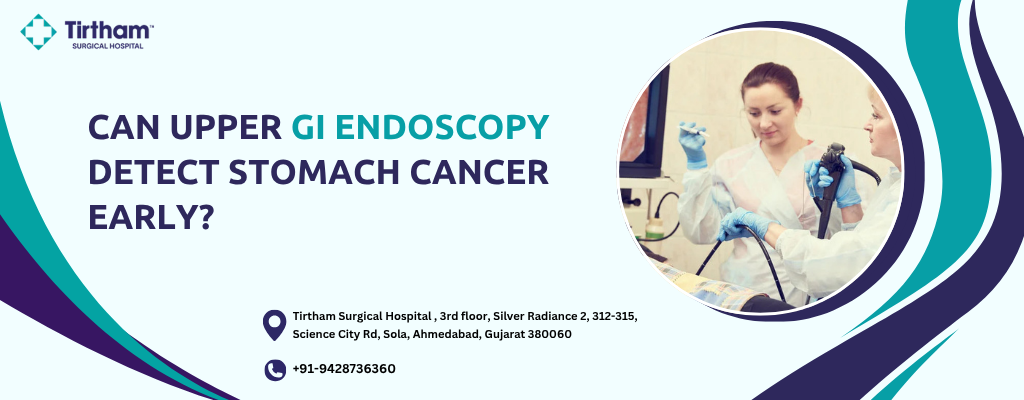
An upper GI endoscopy is a minimally invasive procedure used to examine the upper digestive system. During the procedure, a thin flexible tube with a camera is passed through the mouth into the stomach.
The Procedure Helps Doctors Examine:
- Food pipe (esophagus)
- Stomach lining
- Upper part of the small intestine
The camera provides detailed images, helping doctors identify inflammation, ulcers, bleeding, growths, or suspicious tissue changes.
Can Endoscopy Detect Stomach Cancer Early?
Yes, endoscopy for stomach cancer is considered one of the most effective methods for early detection. Unlike scans or basic tests, endoscopy allows doctors to directly view the stomach lining and identify abnormal tissue at an early stage.
During Endoscopy, Doctors Can Detect:
- Small abnormal growths
- Stomach ulcers that may become cancerous
- Tissue inflammation
- Bleeding areas
- Suspicious lesions
- Changes in the stomach lining
If needed, doctors can also collect a biopsy sample during the same procedure for further testing.
Early diagnosis significantly improves treatment success and recovery outcomes.
Stomach Cancer Symptoms You Should Not Ignore
Recognizing stomach cancer symptoms early can help patients seek medical attention before the disease progresses.
Common Symptoms Include:
- Persistent acidity or indigestion
- Unexplained weight loss
- Loss of appetite
- Difficulty swallowing
- Nausea or vomiting
- Feeling full after eating small amounts
- Stomach pain or discomfort
- Black-colored stool or vomiting blood
- Constant bloating after meals
Many of these symptoms may appear mild initially, which is why people often delay medical evaluation.
When Should You Consider an Upper GI Endoscopy?
Not everyone with acidity requires an endoscopy. However, certain situations make the procedure highly recommended.
Doctors May Suggest Upper GI Endoscopy If:
- Acidity continues despite medications
- Digestive symptoms persist for weeks
- There is unexplained weight loss
- Swallowing food becomes difficult
- There is bleeding in vomit or stool
- Severe stomach pain keeps returning
- Family history of stomach cancer exists
In these cases, timely upper GI endoscopy can help identify the root cause before it becomes serious.
Why Early Detection Matters
Like many cancers, stomach cancer is easier to treat when diagnosed early. Delayed diagnosis may allow the disease to spread deeper into the stomach wall or nearby organs.
Benefits of Early Detection
- Better treatment success rates
- Less aggressive treatment may be needed
- Faster recovery chances
- Reduced risk of complications
- Improved quality of life
This is why specialists often recommend endoscopy for stomach cancer in high-risk patients or those with persistent symptoms.
What Happens During the Procedure?
Many patients feel anxious before undergoing an endoscopy, but the procedure is generally safe and quick.
Step-by-Step Process
- Patient is asked to fast for several hours
- Mild sedation may be given for comfort
- A flexible camera tube is gently inserted through the mouth
- Doctors examine the digestive tract carefully
- Biopsy samples may be collected if needed
- Procedure usually finishes within 15–30 minutes
Most patients can return home the same day after observation.
Is Upper GI Endoscopy Painful?
A common concern among patients is whether the procedure causes pain. In most cases, mild sedation keeps patients comfortable throughout the examination.
Patients May Experience:
- Mild throat discomfort afterward
- Temporary bloating sensation
- Slight drowsiness due to sedation
Serious complications are rare when the procedure is performed by experienced specialists.
Who Is at Higher Risk for Stomach Cancer?
Certain lifestyle and health factors can increase the risk of stomach cancer.
Risk Factors Include:
- Smoking
- Heavy alcohol consumption
- Long-term acidity or gastritis
- Family history of stomach cancer
- Poor dietary habits
- Untreated stomach infections
- Obesity
People with these risk factors should not ignore persistent digestive symptoms.
Tips to Maintain Stomach Health
Healthy habits may help reduce digestive problems and support overall stomach health.
Helpful Lifestyle Tips
- Avoid excessive spicy and processed food
- Eat balanced meals regularly
- Quit smoking and limit alcohol
- Maintain healthy body weight
- Avoid unnecessary painkiller use
- Seek medical advice for chronic acidity
Regular health checkups become especially important for people with recurring digestive symptoms.
Why Choosing the Right Hospital Matters
Accurate diagnosis depends on modern equipment and experienced specialists. Choosing a trusted hospital ensures safe procedures and reliable evaluation.
Conclusion
Persistent digestive problems should never be ignored, especially when they continue despite medications. An upper GI endoscopy is one of the most effective tools for identifying stomach disorders and detecting serious conditions early.
Recognizing stomach cancer symptoms and undergoing timely endoscopy for stomach cancer can make a significant difference in treatment outcomes. Early diagnosis allows doctors to begin treatment sooner and improve recovery chances.
For advanced digestive evaluation and safe Upper GI Endoscopy in Ahmedabad, consult experienced specialists at the Best General Surgeon in Ahmedabad and take an important step toward protecting your digestive health.