
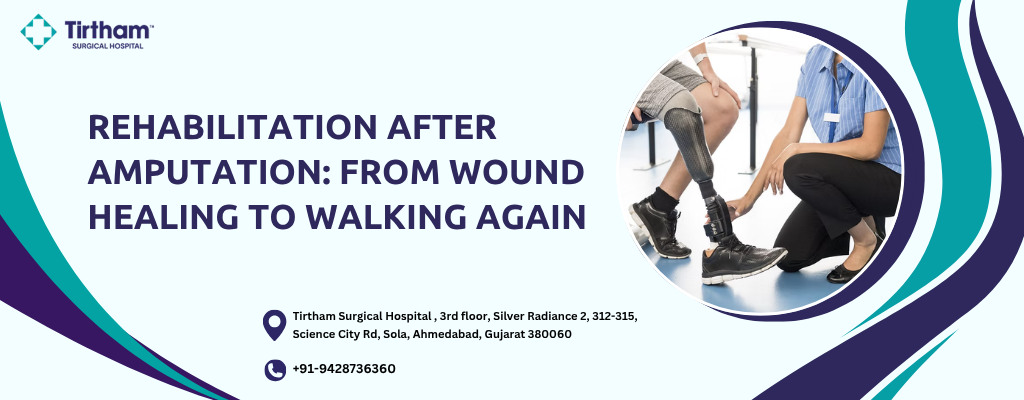
Rehabilitation after amputation is a life-changing journey that goes far beyond surgery. It involves physical healing, emotional adjustment, and gradual restoration of independence. A well-planned amputation recovery process helps patients move from wound care to walking again with confidence. With the right medical support and rehabilitation strategy, individuals can regain mobility and improve their quality of life.
Understanding the Amputation Recovery Process
The amputation recovery process begins immediately after surgery and continues through multiple stages. Each phase focuses on healing, strength-building, and adapting to new movement patterns.
Key Phases of Recovery
- Wound healing and infection prevention
- Pain management and swelling control
- Physical therapy and muscle strengthening
- Prosthetic fitting and training
- Emotional and psychological support
Proper rehabilitation after amputation ensures smoother transitions between these stages.
Wound Healing and Early Care
The first step in rehabilitation after amputation is effective wound healing. This phase is critical to prevent complications and prepare the body for further rehabilitation.
Important Aspects of Wound Care
- Keeping the surgical site clean and protected
- Monitoring for signs of infection
- Managing swelling through positioning and compression
- Following prescribed medication and dressing routines
In some cases, patients may also need to understand factors like cellulitis treatment cost in Ahmedabad, especially if infection-related complications arise during recovery.
Pain Management and Physical Stability
Pain is a common part of the amputation recovery process, including residual limb pain or phantom limb sensations. Managing pain effectively helps patients participate actively in rehabilitation.
Pain Control Strategies
- Prescribed medications
- Physical therapy techniques
- Gradual desensitization exercises
- Proper limb positioning
Controlling pain early improves outcomes in rehabilitation after amputation.
Role of Physiotherapy in Rehabilitation
Physiotherapy is one of the most important components of rehabilitation after amputation. It helps patients regain strength, balance, and coordination.
Benefits of Physiotherapy
- Improves muscle strength and flexibility
- Enhances balance and posture
- Prepares the body for prosthetic use
- Reduces risk of falls and injuries
Regular therapy sessions support a steady and effective amputation recovery process.
Prosthetic Training and Mobility
Once healing is sufficient, patients can begin prosthetic training. Learning to use a prosthetic limb is a major milestone in rehabilitation after amputation.
Key Focus Areas
- Proper fitting of the prosthetic limb
- Learning to stand and balance
- Gradual walking training
- Practicing daily movement activities
With consistent effort, many patients successfully transition to walking independently.
Emotional and Psychological Support
Recovery is not only physical but also emotional. Adjusting to limb loss can be challenging, making psychological support essential.
Support Strategies
- Counseling or therapy sessions
- Support groups and peer interaction
- Family involvement in recovery
- Building confidence through small achievements
A positive mindset plays a major role in successful rehabilitation after amputation.
Choosing the Right Medical Support
Selecting the right healthcare provider is crucial for a smooth recovery journey. Patients looking for expert care can consult the best amputation treatment doctor in ahmedabad for personalized treatment and rehabilitation plans.
Additionally, receiving care at the Best Surgical Hospital In Ahmedabad ensures access to advanced facilities, experienced surgeons, and comprehensive post-surgical support.
Lifestyle Adjustments After Amputation
Long-term recovery requires certain lifestyle changes to maintain mobility and overall health.
Healthy Habits to Follow
- Maintain a balanced diet for healing and strength
- Stay active with recommended exercises
- Regularly monitor the residual limb
- Attend follow-up medical appointments
These habits enhance the overall amputation recovery process and prevent complications.
Common Challenges During Rehabilitation
While progress is possible, patients may face challenges such as:
- Difficulty adapting to prosthetics
- Emotional stress or anxiety
- Temporary mobility limitations
- Risk of infections or delayed healing
Addressing these challenges with proper guidance improves rehabilitation outcomes.
Conclusion
Rehabilitation after amputation is a gradual but rewarding journey that moves from wound healing to walking again. With a structured amputation recovery process, effective physiotherapy, emotional support, and expert medical care, patients can regain independence and lead fulfilling lives. Choosing the best amputation treatment doctor in ahmedabad and receiving care at the Best Surgical Hospital In Ahmedabad ensures a strong foundation for recovery and long-term well-being.