
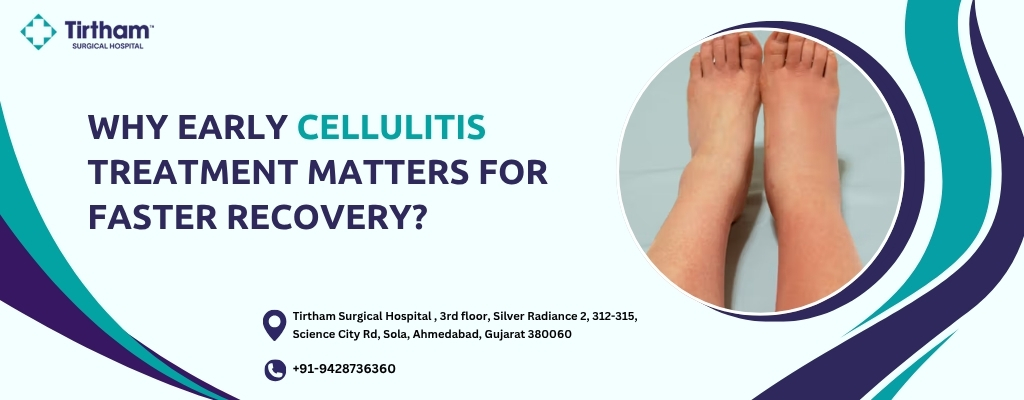
Cellulitis is more than just a common skin infection. What may begin as a small patch of redness or mild swelling can quickly develop into a more serious condition if left untreated. Because the symptoms often resemble minor skin irritation, many people delay seeking medical attention, assuming the problem will resolve on its own.
However, cellulitis tends to spread rapidly beneath the skin, making early diagnosis and prompt cellulitis treatment essential. The sooner treatment begins, the better the chances of avoiding complications and achieving a faster recovery.
Understanding the early signs of cellulitis can help you take action before the infection becomes severe. Let’s explore why timely treatment matters and how it can make a significant difference in your recovery journey.
What Is Cellulitis?
Cellulitis is a bacterial infection that affects the deeper layers of the skin and the soft tissues beneath it. It usually occurs when bacteria enter the body through a break in the skin, such as a cut, scrape, insect bite, surgical incision, or even cracked skin.
Although the infection can develop anywhere on the body, it most commonly affects the legs, feet, arms, and face. Once bacteria enter the skin, the infection can spread quickly if not treated promptly.
Without proper cellulitis treatment, the infection may extend beyond the skin and, in some cases, lead to serious health complications.
Early Signs of Cellulitis You Should Never Ignore
One of the challenges with cellulitis is that its early symptoms can appear mild. As a result, many people overlook the warning signs until the infection becomes more advanced.
Common Early Signs Include:
- Redness that gradually expands
- Swelling around the affected area
- Warmth when touching the skin
- Pain or tenderness
- Tight or stretched-looking skin
- Mild fever or chills
- Feeling unusually tired or unwell
While these symptoms may seem minor initially, they can worsen within a short period. Paying attention to the early signs of cellulitis allows you to seek medical care before the infection spreads further.
Why Early Treatment Makes a Difference
When it comes to cellulitis, timing matters. Starting treatment early often results in a smoother recovery and reduces the likelihood of serious complications.
(1) Faster Healing and Symptom Relief
Early treatment helps stop the infection before it affects larger areas of skin and tissue. Patients who receive prompt care often notice improvements sooner and experience less discomfort during recovery.
(2) Lower Risk of Complications
Delaying treatment increases the chances of the infection progressing. Early intervention can help prevent:
- Abscess formation
- Damage to surrounding tissue
- Recurrent infections
- Spread of infection into the bloodstream
- Hospital admission
By addressing the infection quickly, doctors can often manage it more effectively and reduce the risk of long-term problems.
(3) Simpler Treatment Plans
Mild cases of cellulitis usually respond well to medication and proper wound care. In contrast, advanced infections may require more intensive treatment, longer recovery periods, and closer medical supervision.
What Happens If Cellulitis Is Left Untreated?
Many people underestimate how serious a skin infection can become. Unlike some minor skin conditions, cellulitis rarely improves without medical treatment.
Potential Consequences of Delayed Care:
- Rapidly spreading redness and swelling
- Increasing pain and tenderness
- Formation of pus-filled abscesses
- Damage to nearby skin and tissues
- High fever and severe illness
- Infection spreading to the bloodstream
As the infection advances, treatment becomes more complex and recovery may take significantly longer. This is why recognizing cellulitis symptoms early is so important.
Who Is More Likely to Develop Cellulitis?
Although anyone can develop cellulitis, certain individuals face a higher risk due to underlying health conditions or lifestyle factors.
Higher-Risk Groups Include:
- People with diabetes
- Individuals with poor blood circulation
- Those with weakened immune systems
- Older adults
- Patients with chronic skin disorders
- Individuals recovering from surgery
- People who frequently experience cuts or skin injuries
If you fall into one of these categories, it is especially important to monitor any skin changes and seek medical advice when needed.
Cellulitis Symptoms That Need Immediate Attention
While all suspected cases of cellulitis should be evaluated by a healthcare professional, some symptoms require urgent medical care.
Seek Immediate Medical Help If You Notice:
- Redness spreading rapidly
- High fever or chills
- Severe or worsening pain
- Pus or unusual drainage
- Swollen lymph nodes
- Difficulty moving the affected area
- Significant swelling that continues to worsen
These advanced cellulitis symptoms may indicate that the infection is becoming more severe and requires prompt treatment.
What Does Cellulitis Treatment Typically Involve?
Treatment depends on the severity of the infection, the affected area, and the patient’s overall health.
Common Components of Treatment
(1) Medical Assessment
A healthcare professional will examine the infected area and determine how far the infection has progressed.
(2) Antibiotic Therapy
Antibiotics are commonly prescribed to eliminate the bacteria causing the infection and prevent it from spreading further.
(3) Wound Care
Proper wound management helps support healing and reduces the risk of additional infection.
(4) Follow-Up Monitoring
Regular follow-up appointments allow doctors to assess recovery and adjust treatment if necessary.
Patients seeking professional Cellulitis Treatment in Ahmedabad should consult experienced specialists who can provide an accurate diagnosis and personalized care plan.
Tips to Support a Faster Recovery
Medical treatment is the foundation of recovery, but healthy habits can also help your body heal more effectively.
Simple Recovery Tips:
- Take all prescribed medications as directed
- Keep the affected area clean and protected
- Elevate swollen limbs whenever possible
- Drink plenty of water
- Avoid scratching or irritating the skin
- Attend scheduled follow-up visits
These measures can improve comfort and support the healing process.
Why Choosing the Right Specialist Matters
Successful treatment depends not only on medication but also on accurate diagnosis and ongoing monitoring. An experienced surgeon can evaluate the severity of the infection, identify potential complications, and recommend the most appropriate treatment approach.
If you’re looking for expert care, consulting the Best General Surgeon in Ahmedabad can help ensure you receive comprehensive treatment and professional guidance throughout your recovery.
How to Reduce the Risk of Future Cellulitis Infections
Although cellulitis cannot always be prevented, certain precautions can lower your risk of developing the infection again.
Prevention Tips:
- Clean cuts and wounds promptly
- Maintain good skin hygiene
- Treat dry or cracked skin early
- Wear protective footwear outdoors
- Keep diabetes well-controlled
- Seek treatment for skin infections without delay
These simple steps can go a long way in protecting your skin and preventing future complications.
Conclusion
Cellulitis may start as a small area of redness or swelling, but it should never be ignored. Left untreated, the infection can spread quickly and lead to serious health concerns. Recognizing the early signs of cellulitis and seeking prompt medical attention can make recovery faster, easier, and safer.
Effective cellulitis treatment not only helps eliminate the infection but also reduces the risk of complications and long-term tissue damage. If you notice persistent redness, swelling, warmth, or other concerning cellulitis symptoms, it’s important to consult a healthcare professional as soon as possible.